 by
by Introduction
Cataracts are one of the leading causes of vision impairment, particularly among older adults. Understanding the different types of cataracts is crucial for early detection and effective treatment. One of the most significant distinctions in cataract classification is between mature and immature cataracts. Knowing the differences between these two types can help individuals seek timely medical intervention and prevent potential complications. In this blog, we will explore what mature and immature cataracts are, their causes, symptoms, treatment options, and expert recommendations from Dr. Smita Mukherjee, a renowned ophthalmologist.
Understanding Cataracts: What Are They?
Cataracts occur when the eye’s natural lens becomes cloudy, which leads to blurred vision, difficulty seeing at night, and increased sensitivity to light.. The lens, located behind the iris and pupil, is responsible for focusing light onto the retina, allowing us to see clearly. As cataracts develop, they can be classified into two main stages:
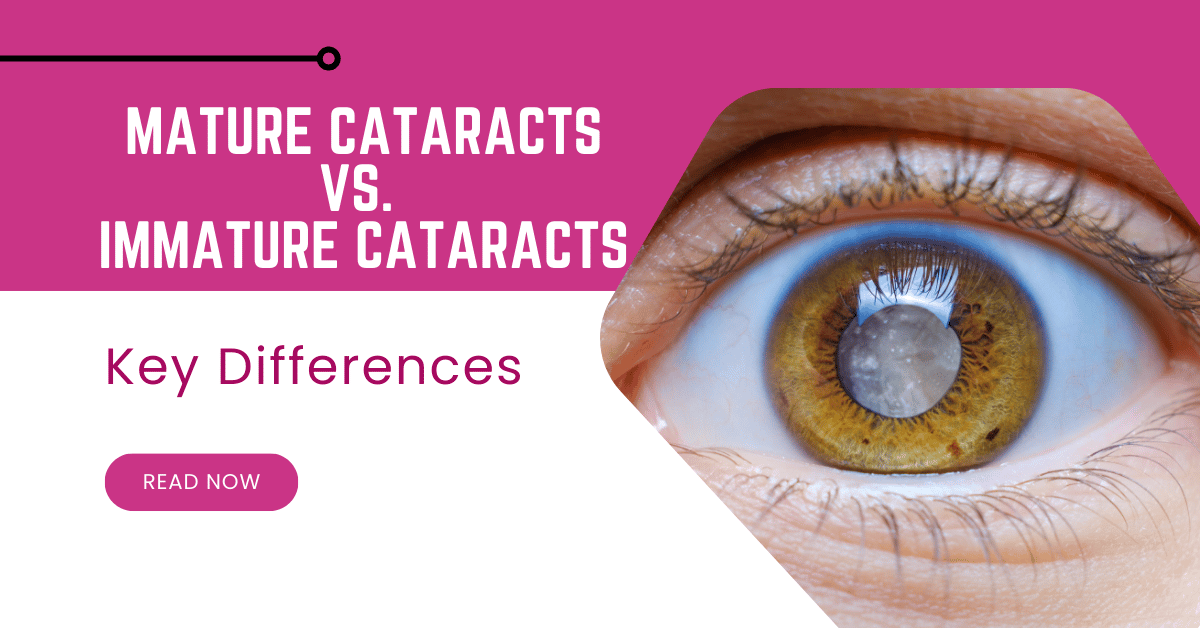
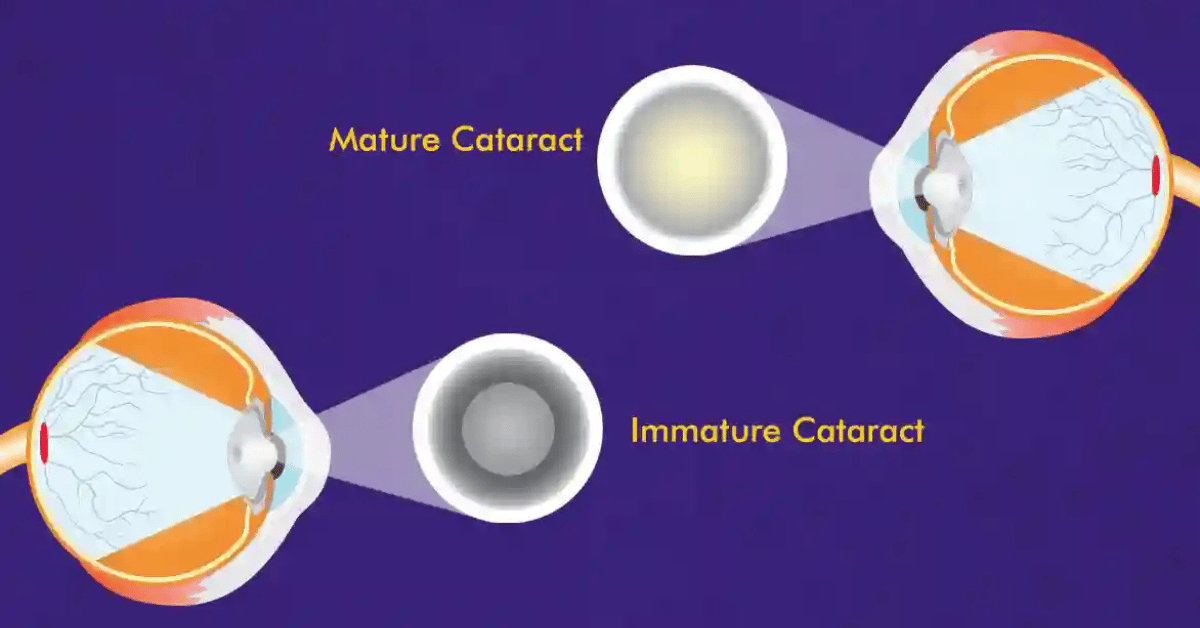
- Immature Cataracts – These are in the early to moderate stages, where some areas of the lens remain clear, allowing partial light transmission.
- Mature Cataracts – These are in the advanced stage, where the entire lens becomes opaque, severely affecting vision.
Causes and Symptoms of Mature and Immature Cataracts
Causes of Cataracts
Cataracts typically develop due to aging, but other factors can accelerate their formation:
- Aging: The most common cause, due to protein breakdown in the lens over time.
- Diabetes: High blood sugar levels contribute to cataract progression.
- Prolonged UV Exposure: Sunlight exposure without eye protection increases the risk.
- Smoking and Alcohol Consumption: These habits accelerate oxidative stress in the eyes.
- Genetic Factors: A family history of cataracts may increase susceptibility.
- Eye Injuries or Infections: Trauma or infections can lead to premature cataract formation.
- Medication Use: Long-term steroid use is linked to cataract development.
Symptoms of Immature Cataracts
- Mild to moderate blurry vision
- Increased glare, especially at night
- Colors appearing faded or yellowish
- Frequent changes in prescription glasses
- Sensitivity to bright lights
Symptoms of Mature Cataracts
- Complete clouding of the lens
- Severe vision impairment, sometimes leading to near-blindness
- Difficulty distinguishing shapes and colors
- Increased light sensitivity with poor night vision
- Inability to correct vision with glasses or contact lenses
Treatment Options: What Can Be Done?
Managing Immature Cataracts
- Lifestyle Adjustments: Wearing UV-protective sunglasses and managing underlying health conditions can slow cataract progression.
- Prescription Glasses: In the early stages, vision can be improved with corrective lenses.
- Dietary Changes: Antioxidant-rich foods, such as leafy greens and citrus fruits, can support eye health.
- Regular Eye Exams: Monitoring cataract progression is crucial to determine when surgery is needed.
Treatment for Mature Cataracts
- Cataract Surgery (Phacoemulsification): This is the most effective and commonly performed procedure. The cloudy lens is removed and replaced with an artificial intraocular lens (IOL).
- Extracapsular Cataract Extraction (ECCE): For very advanced cases where phacoemulsification is not suitable, the entire lens is removed in one piece.
- Post-Surgery Care: Patients are advised to use prescribed eye drops, avoid strenuous activities, and wear protective eyewear to ensure a smooth recovery.
Expert Insights from Dr. Smita Mukherjee
Dr. Smita Mukherjee is a senior ophthalmologist with over 30 years of experience. After completing her post-graduation from Seth G.S. Medical College with academic honors, she joined the faculty at the same institution. Throughout her career, she has examined thousands of patients, gaining extensive expertise in various eye conditions.
She specializes in Cataract Surgery, Phacoemulsification, Refractive Errors, Diabetic Retinopathy, and Age-Related Macular Degeneration. Patients can consult her at:
Eye Solutions Clinic
401, Pearl Belleza, D. K. Sandu Marg, 19th Road Corner, Chembur, Mumbai 400071
For appointments, contact: +91 98203 13152 / 99209 20418
Frequently Asked Questions (FAQs)
1. Can an immature cataract turn into a mature cataract?
Yes, if left untreated, an immature cataract can progress into a mature cataract, significantly impacting vision.
2. How long does cataract surgery take?
Cataract surgery typically takes 15-30 minutes per eye, with a quick recovery time.
3. Is cataract surgery painful?
No, cataract surgery is performed under local anesthesia, ensuring a painless procedure.
4. Can I prevent cataracts from developing?
While cataracts cannot be entirely prevented, wearing UV-protective eyewear, eating a healthy diet, and avoiding smoking can help reduce risk.
5. How do I know when it’s time for cataract surgery?
If your cataracts begin interfering with daily activities like reading, driving, or recognizing faces, it’s time to consider surgery.
6. Are there risks associated with cataract surgery?
As with any surgery, there are minimal risks such as infection or inflammation, but complications are rare when performed by an experienced ophthalmologist.
7. Can cataracts come back after surgery?
No, but some patients may experience posterior capsule opacification (PCO), which can be corrected with a simple laser treatment.
Conclusion
Understanding the difference between mature and immature cataracts is crucial for timely diagnosis and treatment. While lifestyle modifications can help manage early-stage cataracts, advanced cases require surgical intervention to restore vision effectively. Consulting an experienced ophthalmologist like Dr. Smita Mukherjee ensures accurate diagnosis and the best treatment plan. If you or a loved one is experiencing cataract symptoms, seek professional help today for a clearer tomorrow.